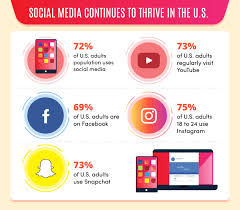
Social media platforms have fundamentally changed how we communicate, connect, and consume content. They’ve also transformed the way substance use is portrayed and perceived, particularly among younger audiences. The short answer is yes: social media does glamorize drugs and alcohol, often in subtle but powerful ways that can influence attitudes, normalize risky behaviors, and shape how people view substance use.
This article reviews how this glamorization happens through carefully curated content that emphasizes the perceived benefits of drinking or drug use while minimizing or ignoring the consequences.
From influencers posing with cocktails to viral challenges involving alcohol consumption, these platforms create an environment where substance use appears aspirational, fun, and socially rewarding. Understanding this phenomenon is crucial for parents, educators, treatment professionals, and anyone concerned about public health.
The Mechanics of Glamorization on Digital Platforms
Social media glamorizes substances through several interconnected mechanisms. The visual nature of platforms like Instagram and TikTok makes them particularly effective at creating appealing narratives around drinking and drug use. Users see images of attractive people enjoying drinks at beach clubs, celebrities casually discussing marijuana use, or party scenes where everyone appears euphoric and carefree.
The algorithmic nature of these platforms amplifies this effect. When users engage with content featuring substances, even passively through views or likes, algorithms interpret this as interest and serve more similar content. This creates echo chambers where substance use appears more prevalent and socially acceptable than it actually is. The constant exposure normalizes behaviors that might otherwise seem concerning or risky.
Influencer Culture and Sponsored Substance Content
Influencers wield tremendous power in shaping perceptions about alcohol and drugs. Many influencers, particularly in lifestyle, music, and entertainment niches, regularly feature alcohol in their content. Some receive compensation from alcohol brands to promote products, though disclosure requirements vary and enforcement remains inconsistent.
What makes influencer content particularly impactful is the parasocial relationships followers develop with these personalities. When someone you feel connected to showcases drinking as part of an enviable lifestyle, it carries more weight than traditional advertising. Young people especially struggle to critically evaluate this content, viewing it as authentic personal sharing rather than marketing.
The Filtered Reality Problem
Social media content rarely shows the full picture of substance use. Users post about the fun night out but not the hangover, the social drinking but not the blackout, the recreational drug use but not the comedown or consequences. This selective sharing creates a distorted reality where substances appear to have only positive outcomes.
The pressure to maintain a curated online persona exacerbates this issue. People feel compelled to present their lives as exciting and aspirational, and substances often become props in this performance. Photos featuring drinks become symbols of sophistication, success, or social connection, divorced from any discussion of moderation, health impacts, or addiction risk.
Viral Challenges and Dangerous Trends
Viral challenges involving alcohol or drugs represent some of the most concerning aspects of social media glamorization. These trends often encourage excessive or dangerous consumption patterns, framed as entertaining content rather than risky behavior. The competitive element and desire for engagement can push participants beyond their limits.
These challenges spread rapidly across platforms, reaching vulnerable audiences before parents or authorities can respond. The temporary nature of stories and the speed of viral trends make it difficult to counter harmful messages or provide context about risks. By the time educational responses appear, the trend has often already peaked and moved on.
Impact on Young People and Developing Brains
Adolescents and young adults face particular vulnerability to social media’s glamorization of substances. Their brains are still developing, particularly the prefrontal cortex responsible for decision-making and risk assessment. They’re also navigating identity formation and peer acceptance, making them especially susceptible to social influence.
Research shows that exposure to substance use content on social media correlates with earlier experimentation and more positive attitudes toward drinking and drug use. Young people often overestimate how common substance use is among their peers based on what they see online, creating perceived norms that don’t reflect reality. This misperception can influence their own choices about whether to use substances.
The Role of FOMO and Social Comparison
Fear of missing out drives much social media engagement and plays directly into substance glamorization. When feeds fill with images of people appearing to have amazing experiences while drinking or using drugs, it creates anxiety about being left out. This psychological pressure can motivate substance use as a way to access these seemingly desirable experiences.
Social comparison theory explains why this content hits so hard. People naturally compare themselves to others, and social media provides endless opportunities for unfavorable comparisons. When others appear happier, more successful, or more socially connected while using substances, it suggests a causal relationship that may not exist.
Platform Policies and Their Limitations
Major social media companies have policies restricting drug-related content and limiting alcohol marketing to adults. However, enforcement remains inconsistent and inadequate. Subtle glamorization often doesn’t violate explicit rules, even when it clearly promotes substance use. Users find creative ways to work around restrictions, using coded language or implicit messaging.
The profit motive creates inherent conflicts of interest. Platforms benefit from engagement, and substance-related content often generates high engagement rates. This creates little incentive for aggressive enforcement that might reduce user activity. Self-regulation has proven insufficient to meaningfully address glamorization.
Understanding the Path to Treatment
When social media’s glamorized portrayal of substances collides with real-world consequences, many people find themselves struggling with addiction. The gap between the filtered fantasy and the lived reality of substance dependence can be jarring and isolating. Recognizing the need for help represents a crucial first step toward recovery.
Professional treatment provides the structured support necessary for overcoming addiction. Modern approaches recognize that successful recovery requires addressing not just the physical dependence but also the psychological, social, and environmental factors that contribute to substance use. Treatment helps people develop healthier coping mechanisms and build lives that don’t revolve around drugs or alcohol.
Comprehensive Addiction Treatment Approaches
Evidence-based treatment begins with a thorough assessment. An accredited addiction treatment center in Boise, Idaho evaluates the full scope of an individual’s needs, including any co-occurring mental health conditions. This assessment informs personalized treatment planning that addresses each person’s unique circumstances and challenges.
Treatment modalities vary based on individual needs and the severity of addiction. Cognitive behavioral therapy helps people identify and change thought patterns and behaviors related to substance use.
Motivational interviewing supports people in finding their own reasons for change. Group therapy provides peer support and reduces isolation. Family therapy addresses relationship dynamics that may contribute to or be affected by addiction.
The Importance of Structured Care
For many people, inpatient treatment for addiction and dual-diagnosis disorder provides the foundation for lasting recovery. This intensive level of care removes people from triggering environments and provides 24/7 support during the vulnerable early stages of sobriety. Structured schedules, therapeutic programming, and medical supervision create optimal conditions for healing.
Inpatient treatment typically includes medical detoxification when needed, individual and group counseling, educational sessions about addiction and recovery, life skills training, and relapse prevention planning. This comprehensive approach addresses the multiple dimensions of addiction, preparing people to maintain sobriety after returning to their daily lives.
Continuing Care and Long-Term Recovery
Recovery extends far beyond initial treatment. Aftercare planning and continuing support significantly improve long-term outcomes. This might include outpatient therapy, support groups, sober living arrangements, or ongoing medication-assisted treatment. Building a recovery-oriented lifestyle takes time and sustained effort.
Social media itself can play a role in recovery when used intentionally. Recovery communities exist online, providing support, encouragement, and accountability. Some people find value in sharing their recovery journey, helping others while reinforcing their own commitment to sobriety. The key is conscious engagement rather than passive consumption of potentially triggering content.
Creating Media Literacy and Critical Consumption
Addressing social media’s glamorization of substances requires developing critical media literacy skills. This means learning to question what we see online, recognize marketing techniques, understand algorithmic manipulation, and consider what’s not shown in curated content. Parents can help young people develop these skills through ongoing conversations about media consumption.
Healthy social media use includes setting boundaries, diversifying content sources, following accounts that promote wellbeing rather than substance use, and regularly taking breaks from platforms. Being intentional about consumption rather than defaulting to endless scrolling reduces exposure to glamorized substance content.
wareness And Taking The First Steps to RecoveryThe antidote to glamorization is authentic dialogue about substances, their risks, and the reality of addiction. These conversations should happen in families, schools, healthcare settings, and communities. Honest discussion that acknowledges both why people use substances and the potential consequences creates space for informed decision-making.
People in recovery can powerfully counter glamorized narratives by sharing their real experiences. These stories remind others that the polished images on social media represent only fragments of truth, not the whole story. Creating space for these authentic voices helps balance the distorted messages that dominate many platforms.
The post Does Social Media Glamorize Drugs and Alcohol? appeared first on Social Media Explorer.